本文目录导读:
- The Importance of养殖 in Modern Agriculture
- The Role of技术服务 in Modern Agriculture
- The Combined Power of养殖 and技术服务
In the dynamic world of modern agriculture, the two pillars of growth—growing our own food and advancing technology—have come together to create a mutually reinforcing force. While traditional farming provides the foundation of food security, technological innovation, particularly in the realm of技术服务, offers unparalleled opportunities for sustainable growth. Whether it's through the use of biotechnology, precision agriculture, or advanced monitoring systems, these approaches are redefining how we engage with our land and feed the planet.
The Importance of养殖 in Modern Agriculture
Gardening has long been a cornerstone of human agriculture, offering a natural, eco-friendly solution to food production. From the humble garden to the global agricultural supply chain, the principles of养殖 have been refined over centuries to ensure the health, growth, and taste of our food. Today, the demand for fresh produce continues to grow, creating a demand for sustainable practices such as organic farming, climate-controlled growing, and the use of locally sourced materials.
However, the traditional methods of养殖 are often limited by the challenges of transportation, storage, and the need for skilled labor. This is where technology comes into play, offering solutions that traditional methods cannot match. From precision farming to the use of sustainable practices in the kitchen, the combination of technology and养殖 has created a new landscape of growth.
The Role of技术服务 in Modern Agriculture
In addition to the natural beauty of养殖, the advent of技术服务 has transformed the way we grow food. From advanced monitoring systems to the use of biotechnology, these technologies are enabling us to grow higher yields, reduce environmental impact, and improve food quality.
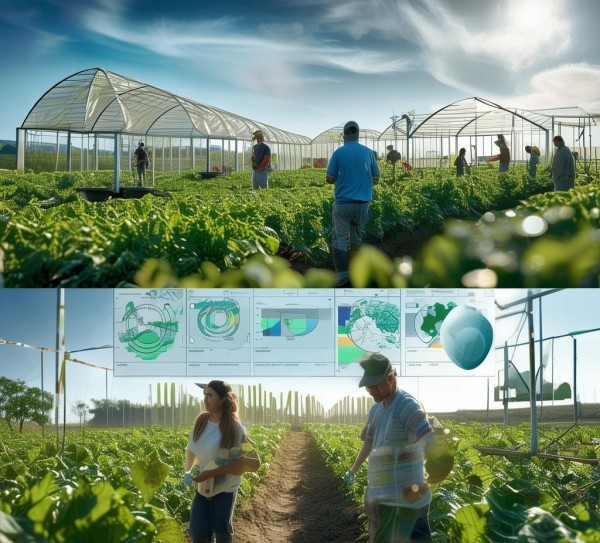
One of the most significant contributions of技术服务 is in the realm of monitoring. From water quality and soil health monitoring to disease detection, these tools allow us to make informed decisions about our farming operations. By understanding the factors that influence our crops, we can develop more effective and sustainable practices.
Another important contribution is the use of precision agriculture. This involves the use of technology to optimize farming operations, from the placement of sensors to the scheng of pesticides and fertilizers. By using data ytics and machine learning, we can make more informed decisions and reduce the need for manual intervention.
In addition to monitoring and precision agriculture, the use of advanced biotechnology has revolutionized the养殖 landscape. From the development of new crops to the use of genetic engineering to improve our yield, these technologies are transforming the way we grow food.
The Combined Power of养殖 and技术服务
The two pillars of养殖—growing our own food—and the power of技术服务—advancing technology to improve our farming operations— offer a perfect example of how the pursuit of knowledge can drive the creation of new possibilities. By combining these two, we can create a more sustainable, healthier, and profitable food system.
One of the most significant benefits of this combination is the ability to reduce our carbon footprint. By growing our own food, we are reducing our reliance on fossil fuels, and by using advanced technology to monitor and optimize our operations, we are reducing our environmental impact.
Another benefit is the ability to improve our food quality. From the use of sustainable practices to the development of new crops to enhance our yield, these technologies are enabling us to grow higher yields, better quality food, and more diverse and abundant food supplies.
In conclusion, the combination of养殖 and技术服务 is a force for growth that is transforming the way we grow food. From the use of advanced monitoring systems to the application of genetic engineering, these technologies are offering us new opportunities for sustainability and profitability. As we continue to advance in our understanding of养殖 and technology, the potential for a more sustainable, healthier, and profitable food system will only increase.